
Natural Stamina for Men Over 40: A Practical, Evidence-Based Guide to Energy, Strength, and Vitality
Author: Ramzi Issa
Credentials: Health & Wellness Content Strategist
Experience: 5+ years translating medical guidance into practical, reader-safe health educationReviewed by: Dr. Ayesha Rahman,
Qualification: Medical Doctor (Internal Medicine)
Area of Expertise: Men’s metabolic health, hormonal aging, preventive care
Natural stamina for men over 40 depends on sleep quality, resistance training, cardiovascular health, and consistent nutrition—not quick fixes. When these systems work together, many men experience steadier energy, better recovery, and improved daily performance over time.
A grounded starting point (for anyone who feels “off” lately)
If you’re over 40 and noticing that your energy doesn’t rebound the way it used to, you’re not imagining things.
In real-world settings, many men describe the same pattern: workouts feel heavier, recovery takes longer, afternoon fatigue appears out of nowhere, and motivation becomes inconsistent—even when lifestyle habits haven’t dramatically changed. Often, this comes after trying quick fixes that promised fast results but delivered little lasting benefit.
This guide is designed to slow things down, explain what’s actually happening inside the body, and outline realistic, sustainable ways to support stamina naturally—without hype, pressure, or unrealistic guarantees.
Early alignment matters:
This is not about “reversing aging” or chasing peak-20s performance. It’s about supporting energy, strength, and resilience in a way that works with your biology after 40, not against it.
What does “stamina” really mean after 40?
Stamina is often framed as sexual performance or gym endurance alone. In practice, it’s broader and more useful to think of stamina as:
-
Consistent daily energy
-
Physical endurance without prolonged fatigue
-
Mental focus and stress tolerance
-
Recovery capacity after effort
Public health and clinical guidance increasingly treat stamina as a system-level outcome, influenced by cardiovascular health, hormone signaling, sleep quality, nutrition, and habitual movement—not only a single hormone or supplement.
4 Reasons stamina commonly declines in men after 40
1. Gradual testosterone changes (not sudden collapse)
According to clinical consensus referenced by organizations such as the Endocrine Society, testosterone typically declines slowly—often about 1% per year after the late 30s or early 40s.
In practice, this doesn’t usually cause dramatic symptoms overnight, but it can subtly affect:
-
Muscle protein synthesis
-
Motivation and drive
-
Recovery speed
Importantly, levels may still fall within “normal” lab ranges while functional effects are felt.
2. Endothelial function and blood flow efficiency
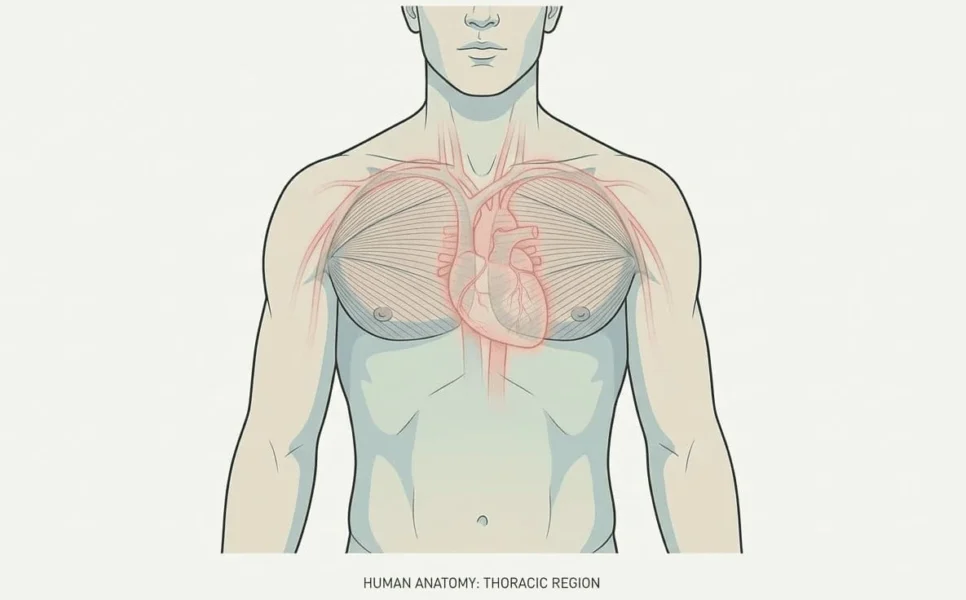
The endothelium (the inner lining of blood vessels) plays a key role in oxygen and nutrient delivery. With age, endothelial responsiveness can decline, particularly when physical activity decreases or sleep quality worsens.
Institutions like the American Heart Association emphasize that vascular health directly influences physical endurance, erectile function, and energy regulation.
3. Mitochondrial efficiency and energy production
Mitochondria generate cellular energy (ATP). In real-world observations, aging combined with sedentary habits can reduce mitochondrial density and efficiency, contributing to:
-
Faster fatigue
-
Slower recovery
-
Lower exercise tolerance
This is one reason stamina feels “different,” not just weaker.
4. Sleep and circadian disruption
The National Sleep Foundation highlights that sleep fragmentation becomes more common with age. Even mild reductions in deep sleep can impair:
-
Hormone regulation
-
Muscle repair
-
Daytime alertness
Many men underestimate sleep’s role in stamina because the effects accumulate quietly.
Separating myths from reliable practices
Common myth: “You just need a testosterone booster.”
Reality: Hormonal health is influenced by sleep, resistance training, calorie adequacy, stress load, and nutrient intake. Supplements alone rarely override weak foundations.
Common myth: “High-intensity workouts fix everything.”
Reality: In men over 40, excessive intensity without recovery can worsen fatigue and suppress performance over time.
Common myth: “Feeling tired means something is wrong.”
Reality: Periodic fatigue is normal. The goal is trend improvement and resilience, not constant high energy.
Evidence-aligned ways to support natural stamina after 40
Resistance training (foundational, not optional)
Public guidelines from bodies such as the World Health Organization and the American College of Sports Medicine consistently support resistance training for aging men.
In practice:
-
2–3 sessions per week
-
Focus on compound movements (squats, presses, rows)
-
Moderate loads with good form
This supports muscle retention, insulin sensitivity, and testosterone signaling without overtaxing recovery.
Protein intake for recovery and energy
Observed patterns in clinical nutrition suggest that many men over 40 under-consume protein.
A commonly referenced range in professional guidance:
-
~1.2–1.6 g of protein per kg of body weight per day, adjusted for activity level
This supports muscle repair, satiety, and stable energy—especially when spread evenly across meals.
Sleep hygiene as a stamina multiplier
Rather than chasing perfect sleep, focus on consistency:
-
Fixed wake time
-
Reduced evening light exposure
-
Avoid heavy meals close to bedtime
Even modest improvements often translate into noticeable daytime stamina gains.
Natural supplements: what’s supported, what’s uncertain
Supplements can be optional support tools, not core solutions.
Commonly discussed options (with context)
| Ingredient | What evidence suggests | Notes for men. 40+ |
| Ashwagandha | May support stress resilience and perceived vitality | Look for third-party tested extracts |
| Shilajit | Studied energy metabolism and mineral content | Quality varies widely |
| Maca | Associated with libido and subjective energy | Not a testosterone booster |
| Honey | Provides readily available carbohydrates and antioxidants | best used alongside balanced meals |
Professional bodies emphasize caution: effects vary, evidence quality differs, and supplements should not replace lifestyle foundations.
If cardiovascular conditions or medications are involved, consulting a medical professional is advised.
A realistic at-home stamina routine (busy-life friendly)
In real-world settings, routines succeed when they’re repeatable.
Weekly baseline:
-
2–3 resistance sessions (30–45 min)
-
Daily walking or light movement
-
Protein-adequate meals
-
Consistent sleep schedule
On low-motivation days:
-
Reduce volume, not frequency
-
Keep the habit alive, even briefly
Consistency matters more than intensity.
Frequently asked questions
“How can I boost energy naturally at 45 without caffeine?”
In practice, improving sleep timing, increasing daily movement, and stabilizing meal composition tend to produce more sustainable energy than stimulants alone.
“Is afternoon fatigue normal after 40?”
Commonly observed, yes—often linked to sleep quality, meal timing, and inactivity rather than a single deficiency.
“Do I need testosterone therapy?”
Most guidelines recommend lifestyle optimization and medical evaluation before considering hormone therapy, which is not appropriate or necessary for most men.
Long-term perspective: what actually works
Stamina after 40 is not rebuilt through shortcuts. It’s supported through aligned habits, patience, and realistic expectations.
Progress is rarely linear. Plateaus happen. Motivation fluctuates. None of this means failure.
What matters is building systems that:
-
Respect aging physiology
-
Fit real schedules
-
Support confidence and reliability, not perfection
With the right framework, many men experience steadier energy, better recovery, and renewed physical confidence—not by fighting age, but by working with it.