
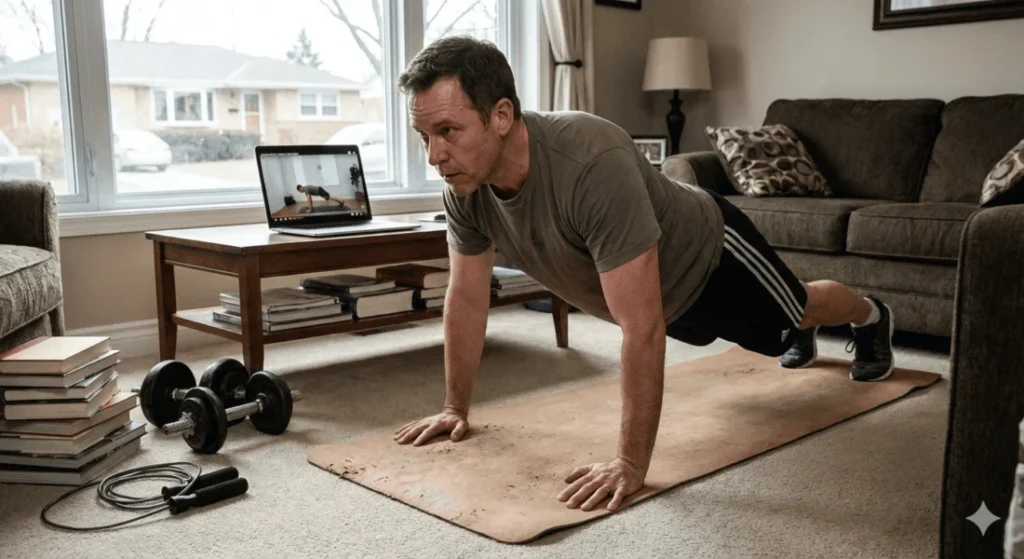
Weight Loss Explained In 2025: What Actually Works
- Written by: Ayesha Rahman (Health & Wellness Content Specialist)
- Reviewed by: Dr. Omar Al-Khaldi (Certified Nutrition Consultant & Diabetes Educator)
A Calm, Honest Starting Point
If you’ve ever tried to lose weight and felt confused, frustrated, or disappointed by mixed advice, you’re not alone.
In real-world settings, many people cycle through low-carb plans, fasting routines, detox drinks, or “quick fixes,” only to feel stuck again a few weeks later. This isn’t because of a lack of effort or discipline. It’s usually because weight loss is often oversimplified online and overcomplicated in practice.
This guide is designed to slow things down and clarify what weight loss actually involves — without extremes, hype, or unrealistic promises. It focuses on what tends to work for most people, what usually doesn’t hold up long term, and how to approach weight loss safely and realistically, especially within busy lifestyles common in the UAE.
What Weight Loss Actually Means (A Practical Explanation)
At its core, weight loss occurs when the body uses more energy than it stores over time. That energy comes from food, stored fat, and daily activity.
In practice, body weight is influenced by several interconnected factors:
-
What and how much you eat
-
Daily movement and activity levels
-
Metabolic rate
-
Hormonal balance
-
Sleep quality
-
Stress levels
-
Age, routine, and lifestyle environment
Public health guidelines from organizations such as the World Health Organization (WHO) and professional nutrition bodies consistently emphasize that weight loss is not about starvation, but about creating a small, sustainable energy deficit while supporting overall health.
What Tends to Work for Sustainable Weight Loss
1. A Modest Calorie Deficit — Not Extreme Restriction
According to widely accepted nutritional guidelines, sustainable weight loss usually occurs when calorie intake is slightly lower than calorie expenditure.
In real-world practice, a daily reduction of around 300–400 calories is often enough to support gradual fat loss without triggering fatigue, metabolic slowdown, or loss of muscle mass.
Extreme restriction may produce faster short-term results, but it is commonly associated with rebound weight gain.
2. Balanced Eating Instead of Strict Diet Rules
In practice, most people do better when they adjust food quality and portions, rather than eliminating entire food groups.
Commonly recommended adjustments include:
Reducing:
-
Added sugars
-
Fried and heavily processed foods
-
Excess refined carbohydrates
Increasing:
-
Protein-rich meals
-
Vegetables and fruits
-
Whole, minimally processed foods
-
Daily water intake
Professional nutrition consensus favors balanced, repeatable eating patterns over rigid diets that are difficult to maintain socially or culturally.
3. Metabolic Support Is Often Overlooked
Metabolism influences how efficiently the body uses energy. While it varies between individuals, certain habits are consistently associated with better metabolic function:
-
Regular daily movement
-
Adequate protein intake
-
Proper hydration
-
Sufficient sleep
-
Stress management
In real-world settings, people who support these areas often find weight loss becomes more manageable — even without intense exercise routines.
4. Consistency Matters More Than Intensity
One of the most commonly observed patterns in weight management is this:
Short-term intensity rarely beats long-term consistency.
Moderate habits repeated daily tend to produce more reliable results than extreme plans followed briefly. Even small actions, when sustained, can lead to visible changes within weeks.
What Commonly Fails (Despite Online Popularity)

Crash Diets
Rapid weight loss approaches often lead to muscle loss, low energy, hormonal disruption, and weight regain once normal eating resumes.
Habitual Meal Skipping
Regularly skipping meals may increase cravings, overeating later in the day, and metabolic slowdown for some individuals.
Home Remedies as Standalone Solutions
Warm water, lemon water, or herbal drinks may support digestion or hydration, but they do not directly cause fat loss on their own.
Exercise Without Dietary Awareness
Physical activity is beneficial, but without dietary adjustment, weight changes are often limited.
Natural, Beginner-Friendly Habits That Actually Help
Nutrition professionals frequently recommend the following foundational habits:
-
Drinking adequate water throughout the day
-
Walking 20–30 minutes consistently
-
Increasing protein intake at meals
-
Reducing sugary drinks and frequent snacking
-
Sleeping 7–8 hours when possible
-
Avoiding very late, heavy dinners
-
Practicing portion awareness
These habits support gradual weight reduction while minimizing stress on the body.
Is Fast Weight Loss Always Unsafe?
Fast weight loss is not automatically dangerous — how it happens matters more than how fast it appears.
Safer approaches focus on:
-
Nutritional adequacy
-
Metabolic support
-
Avoiding severe restriction
Health professionals generally caution against methods that cause dizziness, weakness, mood changes, or hormonal disruption.
Weight Loss Challenges Common in the UAE
In practice, many people in the UAE face specific lifestyle barriers:
-
Sedentary office-based work
-
Long sitting hours
-
Extreme heat limits outdoor exercise
-
Frequent dining out
-
High-calorie restaurant portions
-
Late-night meals and social gatherings
Because of these factors, weight management often requires structured routines, indoor activity options, and mindful dietary planning, rather than relying on willpower alone.
Do Supplements Have a Role? A Balanced Perspective
Most public health authorities agree that supplements do not replace healthy eating or lifestyle habits.
However, when used appropriately and alongside routine changes, some supplements may support:
-
Metabolic activity
-
Appetite awareness
-
Energy levels
-
Digestive comfort
-
Fat metabolism
Evidence varies by ingredient, and results are not guaranteed. Supplements tend to work best as support tools, not primary solutions.
AB Slim Products: For Optional Support
Some individuals choose AB Slim products as part of their broader weight-management routine, particularly when progress feels slow despite lifestyle changes.
When combined with balanced eating and regular movement, such products may help support:
-
Metabolic efficiency
-
Craving management
-
Energy balance
-
Gradual fat reduction
They are often selected by people in the UAE who prefer convenient, non-extreme support options.
👉 Explore AB Slim Weight Loss Products
Who Should Avoid Weight Loss Supplements?
Weight loss supplements may not be appropriate if you:
-
Are you pregnant or breastfeeding
-
Have existing medical conditions
-
Take long-term medications
-
Have hormone-related disorders
-
Have a history of eating disorders
Consulting a qualified healthcare professional is strongly recommended before starting any supplement.
Weight Loss Without Supplements: Effective Alternatives
You can still make meaningful progress through:
A Diet-Focused Approach
-
Controlled portions
-
Balanced meals
-
Reduced sugar and processed foods
A Walking-Based Routine
-
30–45 minutes daily
-
Indoor walking during extreme heat
These methods may be slower but are widely observed to be effective when followed consistently.
A Simple, Realistic Daily Routine (Beginner-Friendly)
Morning
-
Water intake
-
Light stretching or movement
-
Balanced breakfast
Afternoon
-
Protein-focused meal
-
Hydration
-
Minimize sugary snacks
Evening
-
Lighter dinner
-
Short walk or indoor activity
Night
-
Earlier sleep when possible
-
Avoid late, heavy meals
In practice, many people notice improvements within a few weeks by following routines like this consistently.
Frequently Asked Questions
Is fast weight loss safe?
It can be, if supported by proper nutrition and without extreme calorie restriction.
Are weight loss supplements safe long-term?
Some may be, but long-term use should be discussed with a healthcare professional.
Can women use weight loss supplements?
Yes, though suitability and dosage may differ, especially with hormonal conditions.
Does age affect weight loss?
Yes. Metabolism often slows with age, requiring more structured planning.
Final Thoughts: A Smarter, Long-Term View
Weight loss does not need to be extreme, painful, or confusing.
Most professional consensus supports an approach that includes:
-
Balanced eating
-
Regular movement
-
Adequate sleep
-
Stress management
-
Optional support tools when appropriate
Progress is personal, often non-linear, and adaptable. The most reliable results usually come from patience, consistency, and self-respect — not urgency or perfection.
Medical Disclaimer
This content is for informational purposes only and does not constitute medical advice. Always consult a qualified healthcare professional before starting any weight loss program or supplement, particularly if you have existing health conditions.